Landscaper Website Guide
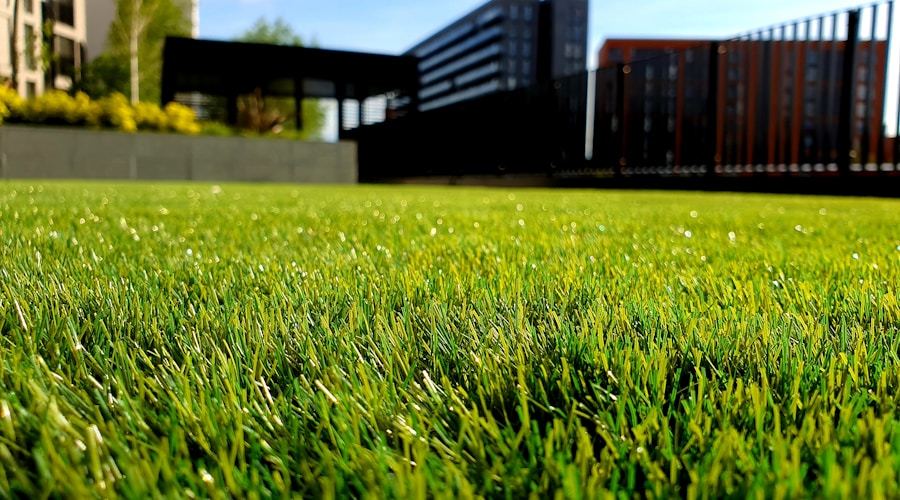
Landscaping is a visual business. When a homeowner is looking for a landscaper, they want to see what you can do before they call. Unlike plumbing or electrical work where the results are often hidden behind walls, landscaping work is on full display for the world to see. This means your website's visual presentation matters more than it does for almost any other home service trade.
A landscaping website needs to do two things exceptionally well: show stunning examples of your work and make it easy for potential customers to request a quote. Everything else supports those two goals. Here is how to build a landscaping website that turns browsers into paying clients.
The Project Gallery Is Everything
Your project gallery is the most important section of your website. This is where potential customers decide if your style, quality, and capabilities match what they are looking for. Invest serious effort in your gallery and keep it updated with your best recent work.
Organize projects by category: patios and hardscaping, planting and garden design, outdoor lighting, lawn care, retaining walls, water features, and any other services you offer. Each project should include multiple photos showing different angles and details. Before-and-after photos are incredibly persuasive and should be used whenever possible.

Include brief descriptions with each project that mention the scope of work, materials used, any challenges overcome, and the location (city or neighborhood, not specific address). This context helps visitors understand what goes into each project and gives your gallery SEO value through descriptive text that search engines can index.
Photo quality matters enormously for landscaping websites. Shoot in good lighting, ideally in the morning or late afternoon when the light is warm and shadows are soft. Show the work at its best but keep it honest. Heavily edited or unrealistic photos will set expectations you cannot meet. If possible, photograph projects at different seasons to show how plantings mature over time.
Service Pages by Category
Create separate pages for each major service category. Landscape design and installation, hardscaping and patios, lawn maintenance, planting and garden beds, outdoor lighting, irrigation systems, tree service, and seasonal cleanup are common categories. Each page should explain what the service includes, your approach and process, typical project timelines, and general pricing guidance.
For design-build services, describe your design process in detail. Many homeowners have never hired a landscaper for a major project and do not know what to expect. Walk them through the consultation, design phase, proposal, and installation process. Reducing uncertainty makes people more comfortable reaching out for that initial consultation.
Seasonal Content Strategy
Landscaping is deeply seasonal, and your website should reflect that. Update your homepage messaging to align with the current season's priorities. In spring, emphasize planting, clean-up, and new project starts. In summer, focus on irrigation, maintenance, and outdoor living spaces. In fall, promote leaf cleanup, fall planting, and winterization. In winter, highlight planning and design services for the upcoming season.

Create seasonal content that addresses what homeowners should be thinking about at each time of year. Seasonal lawn care tips, planting calendars, and maintenance checklists attract organic traffic and keep your website relevant throughout the year, not just during peak season.
Lead Generation for Landscapers
Most landscaping projects begin with a quote request or consultation. Make this process as easy as possible. Your quote request form should ask for the customer's name, contact information, address or neighborhood, type of project they are interested in, approximate budget range (optional), and a brief description or photos of the area. Allow photo uploads so customers can show you what they are working with before the first visit.
Place quote request calls to action throughout your site, not just on the contact page. Every service page and gallery page should include a clear path to requesting an estimate. "Get a Free Design Consultation" or "Request Your Landscape Estimate" are effective calls to action for this industry.
Trust Elements for Landscapers
Landscaping trust signals include industry certifications such as Certified Landscape Professional or Interlocking Concrete Pavement Institute certification, insurance documentation, years in business, and membership in professional organizations. Display manufacturer partnerships if you are a certified installer for paver companies, lighting manufacturers, or irrigation brands.
Customer reviews that describe the quality of work, professionalism of the crew, respect for the property, and the final result are your strongest trust assets. Feature reviews that tell a story about the project, not just generic praise. A review that says "They transformed our sloped backyard into a beautiful terraced patio with lighting" paints a picture that helps potential customers imagine what you could do for them.
Local SEO for Landscapers
Optimize your Google Business Profile with landscaping-specific categories: Landscaper, Landscape Designer, Lawn Care Service, and any other applicable options. Upload photos of completed projects regularly. Google Business Profile photos from landscaping companies tend to get strong engagement because the visual nature of the work naturally attracts attention.
Create location pages for the specific communities you serve, especially affluent neighborhoods where larger landscape projects are common. Reference local climate conditions, soil types, and popular plant species in your content to demonstrate genuine local expertise. Landscaping is location-specific, and content that reflects real knowledge of local growing conditions signals authenticity to both customers and search engines.
Encourage customers to include photos in their Google reviews. Photo reviews are more prominent and persuasive than text-only reviews, and in a visual industry like landscaping, customer photos of your completed work serve as additional social proof.