Local Citations Explained

A local citation is any online mention of your business's name, address, and phone number. These mentions can appear on business directories like Yelp, Yellow Pages, and the Better Business Bureau, on social media profiles, in local chamber of commerce listings, on industry-specific directories, and on countless other websites across the internet.
Citations matter for local SEO because they help Google verify that your business is legitimate, active, and located where you say it is. When Google finds consistent information about your business across multiple trusted sources, it gains confidence in the accuracy of your business data, which positively impacts your local search rankings.
Understanding NAP Consistency
NAP stands for Name, Address, and Phone number. NAP consistency means that your business information is identical across every online listing. Not similar, not close enough. Identical. This is one of the most important and most commonly overlooked aspects of local SEO.
Inconsistencies confuse search engines. If your Google Business Profile lists you as "Johnson Plumbing LLC" at "123 Main Street, Suite 4" but Yelp has "Johnson's Plumbing" at "123 Main St #4," Google cannot be entirely sure these are the same business. These small discrepancies, when multiplied across dozens of directories, can significantly weaken your citation profile.
Choose one standard format for your business name, address, and phone number and use it everywhere. Decide whether you will include "LLC" or not, whether you will abbreviate "Street" to "St" or spell it out, and whether you will use a local number or a toll-free number. Then be rigorous about using that exact format on every listing.
The Most Important Citation Sources

Not all citations carry equal weight. The most valuable citations come from authoritative, well-known platforms that Google trusts. Focus your effort on these sources first before worrying about obscure directories.
Tier 1: Essential platforms. Google Business Profile, Bing Places for Business, Apple Maps, Yelp, and Facebook. These are the most authoritative citation sources and should be your first priority. Claim and fully optimize your listing on each of these platforms.
Tier 2: Major directories. Yellow Pages, Better Business Bureau, Foursquare, Angi, Thumbtack, and other well-known general directories. These carry significant authority and are worth the time to claim and optimize.
Tier 3: Industry-specific directories. Depending on your trade, there are specialized directories that carry weight in your industry. For contractors, this might include HomeAdvisor, Houzz, or BuildZoom. For auto repair shops, it could be RepairPal or Carfax Service. These industry citations signal relevance in your specific field.
Tier 4: Local directories. Your local chamber of commerce, city business directory, neighborhood association websites, and local newspaper business listings. These carry local authority and help establish your geographic relevance.
Building Your Citation Profile
Start with a citation audit. Search for your business name across the web and note every listing you find. Check each one for accuracy and consistency. Tools like Moz Local, BrightLocal, or Whitespark can automate this process and identify existing citations along with any inconsistencies.
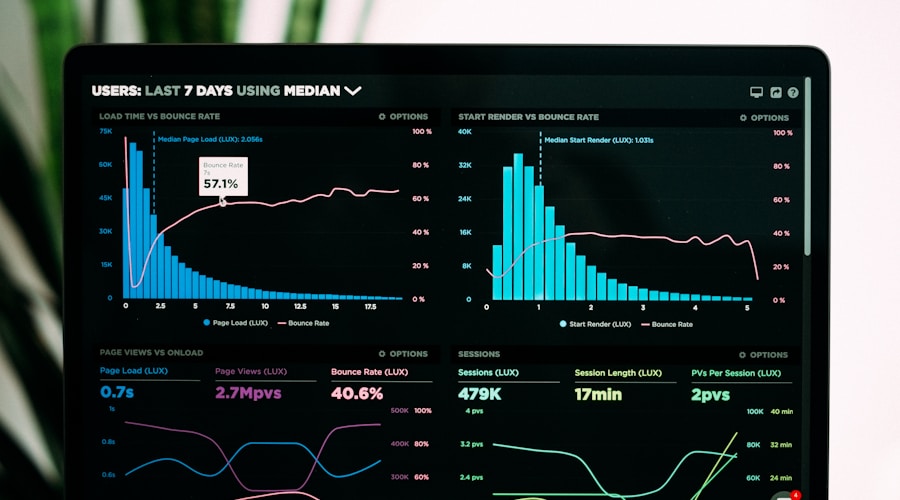
Once you have audited your existing citations, work through them systematically. Update incorrect listings, claim unclaimed profiles, and fill in missing information. This cleanup process can take time, especially if your business has changed names, addresses, or phone numbers in the past.
After cleaning up existing citations, identify gaps. Which important directories are you missing from? Create new listings on the platforms you have not yet claimed, starting with the highest-tier sources and working down. Focus on quality over quantity. Fifty accurate citations on authoritative platforms are worth more than 500 listings on obscure websites nobody visits.
Managing Citations Over Time
Citations are not a set-it-and-forget-it task. Business information changes. You might move locations, change phone numbers, update your business name, or expand your service area. When any of this happens, you need to update every citation across the web. This is tedious but critical.
Run a citation audit at least twice a year to catch any listings that have reverted, been auto-generated with incorrect information, or become outdated. Third-party data aggregators like Localeze, Acxiom, and Infogroup distribute your business data to hundreds of smaller directories. Updating your information with these aggregators can cascade changes across many listings at once.
Common Citation Mistakes
Using tracking phone numbers. Some marketing companies assign unique tracking phone numbers to different directory listings. While this helps track which directory generates calls, it creates NAP inconsistency that can hurt your local SEO. If you use call tracking, use the same number across all citations or implement dynamic number insertion only on your website.
Ignoring duplicate listings. Having multiple listings for the same business on the same platform confuses Google and dilutes your citation authority. Search for duplicates on major platforms and request removal of any extras.
Listing in irrelevant directories. A plumbing company listed in a restaurant directory provides no SEO value and can look spammy. Focus on directories that are either general business directories or specifically relevant to your industry.
Neglecting closed locations. If you have moved or closed a location, make sure to update or remove citations for the old address. Conflicting location data is one of the most confusing signals you can send to search engines.
Citations are a foundational element of local SEO. Getting them right is not exciting, but it is necessary. Clean, consistent citations across authoritative platforms help Google trust your business data, which translates directly into better local search visibility.